Virtual Try-On & Data Privacy: A Merchant's Guide
Admin User
Sep 18, 2026
Is virtual try-on safe for customers? This guide explains how VTO handles photo data and what merchants must know to protect their shoppers and their brand.
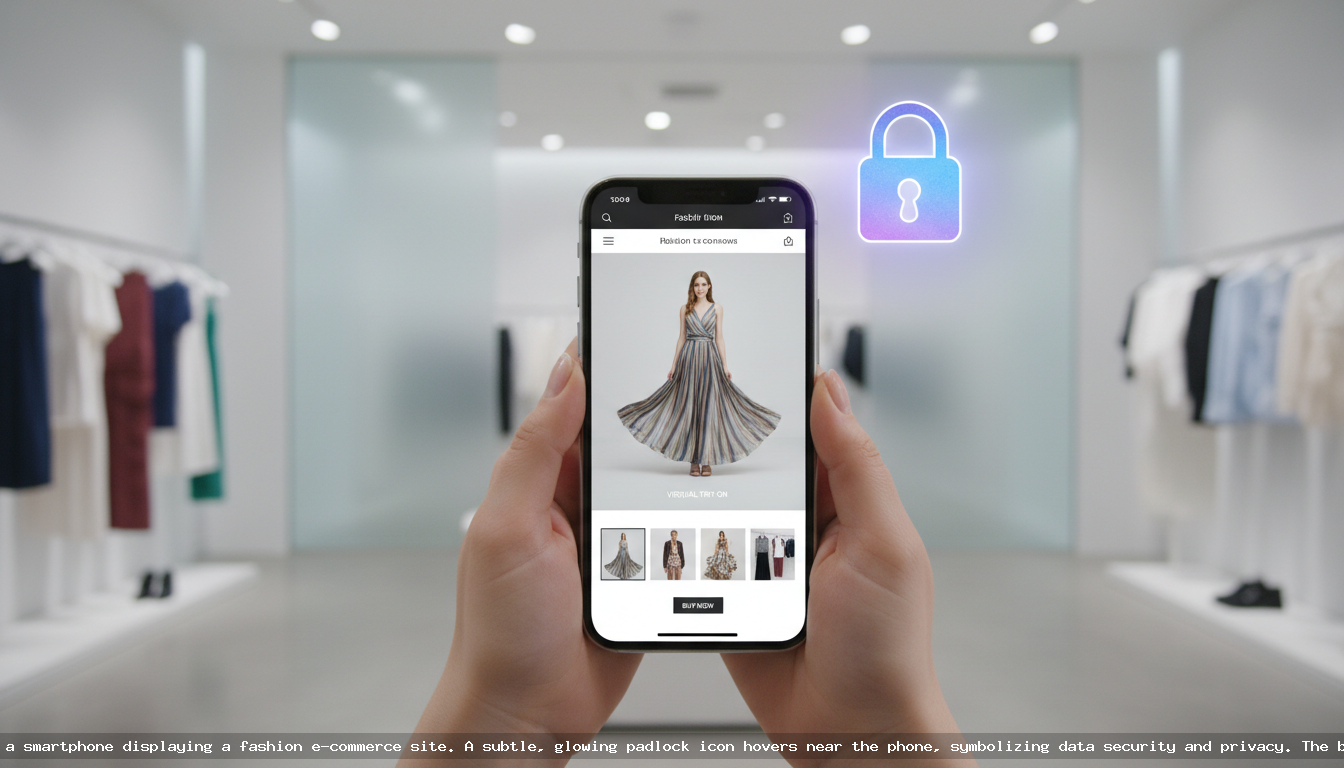
Is Virtual Try-On Safe for My Customers?
Yes, virtual try-on (VTO) is safe for customers when implemented with a privacy-first provider. Secure VTO technology ensures that a shopper's photo is used solely for the purpose of generating the try-on image for that specific session. The data is encrypted during transfer and is not stored long-term or used for any other purpose. For merchants, choosing a VTO partner that prioritizes data privacy is crucial for building and maintaining customer trust, which is the foundation of any successful e-commerce business.
Why Customer Photo Privacy is Non-Negotiable in E-commerce
Integrating any new technology, especially one that involves user-generated content like photos, requires careful consideration. For virtual try-on, the primary concern for both merchants and shoppers is data privacy. A customer uploading their photo is an act of trust, and protecting that trust is paramount.
Here’s why it matters so much:
- Brand Reputation: In the digital age, trust is your most valuable asset. A single incident involving the misuse of customer photos can lead to irreparable brand damage, negative press, and a loss of customer loyalty. Demonstrating a commitment to privacy shows that you respect your customers beyond the transaction.
- Legal and Regulatory Compliance: Global privacy regulations like GDPR and CCPA have set a high standard for how businesses handle personal data. While a VTO provider doesn't make your entire site compliant, their data handling practices are a critical piece of the puzzle. Using a non-compliant tool puts your business at risk.
- Customer Adoption: A VTO feature is only effective if customers use it. If shoppers feel uncertain or suspicious about what happens to their photos, they will simply ignore the feature. This negates the ROI and leaves the benefits of higher conversion and lower return rates on the table. Transparency is key to encouraging adoption.
How Secure Virtual Try-On Technology Protects User Data
Understanding the technical process can demystify how customer data is handled and secured. While implementations vary, a secure, photo-based VTO system follows a clear, privacy-focused workflow. At VDressUp, we've designed our system around these principles from the ground up.
The VDressUp Approach to Data Privacy
When a shopper decides to use the VDressUp widget on your product page, a secure process begins. It's designed to be transparent, secure, and minimal in its data footprint.
- User-Initiated Action: The process only starts when a customer actively chooses to upload their photo. This explicit action serves as consent for the single try-on session. The widget doesn't—and can't—access photos without user interaction.
- Encrypted Transfer: Once a photo is selected, it is sent to our secure servers using industry-standard HTTPS encryption. This ensures the data is protected while in transit, preventing any man-in-the-middle attacks.
- Secure AI Processing: The photo exists on our servers only for the few moments required for our AI to process it. The AI model analyzes the user's pose and the product image to generate a new, composite image showing the item on the user. The original photo is not the end product.
- Strict Deletion Policy: The original uploaded photo is deleted immediately after the try-on image is generated and sent back to the user's browser. We do not store, share, or sell customer photos. They are not used to train our AI models or for any other purpose.
Key Features to Look for in a Privacy-Conscious VTO Provider
When evaluating virtual try-on solutions for your store, asking the right questions about privacy is as important as asking about features or pricing. Here are the critical elements to look for.
Transparent Privacy Policies
A trustworthy provider will have a clear, easy-to-understand privacy policy that explicitly states what data is collected, how it's used, and for how long it's stored. Vague language or the absence of a policy is a major red flag. You should be able to confidently explain the process to your own customers.
A Simple, Secure Integration Method
How a tool integrates with your store speaks volumes about its respect for your digital ecosystem. VDressUp uses a single JavaScript snippet that you add to your store's theme. This method is lightweight and secure, as it doesn't require deep, persistent access to your store's backend data, customer lists, or order history. Unlike some marketplace apps that demand broad permissions, our widget is self-contained and focused only on its specific task.
You can see the simplicity for yourself in our documentation. The entire installation is just one line of code:
<script src="https://vdressup.com/js/shopify-ai-widget.js" data-api-key="YOUR_API_KEY"></script>
No Unnecessary Data Collection
The VTO widget should only need one piece of information: the photo the user chooses to upload. It shouldn't require logins, track browsing behavior across other sites, or ask for any other personally identifiable information (PII). The goal is to provide a try-on, not to build a user profile.
How to Communicate VTO Privacy to Your Customers
Once you've chosen a secure VTO provider, the final step is to communicate that commitment to your customers. This builds trust and increases the adoption of the feature.
- Add a Note of Reassurance: Place a small, clear message next to the VTO button. Something as simple as, "Your photo is used only for this try-on and is deleted immediately after," can make a huge difference.
- Update Your Website's Privacy Policy: Be sure to add a section to your store's privacy policy that mentions your use of a third-party virtual try-on service and briefly explains its privacy measures. This is good practice for any third-party tool you use.
- Focus on the Benefit: Frame the VTO feature as a tool to help them shop more confidently. When customers understand the value—less uncertainty, better fit, fewer returns—they are more likely to feel comfortable using it.
Build a Better Shopping Experience on a Foundation of Trust
Virtual try-on is a game-changer for e-commerce, offering a powerful way to bridge the gap between the digital and physical worlds. But its success hinges on customer trust. By prioritizing data privacy and choosing a partner like VDressUp, you can offer an innovative shopping experience without compromising your customers' security or your brand's integrity.
With a flexible, pay-as-you-go pricing model based on credits, you can add this powerful, privacy-first tool to your store without being locked into a monthly subscription. Get started today and give your customers the confidence to click "add to cart."
Frequently asked questions
Are my customers' photos stored after they use the virtual try-on?
No. With VDressUp, customer photos are only used for the moments it takes our AI to generate the try-on image. The original photo is deleted from our servers immediately after processing. We do not store, share, or sell any user-uploaded photos, ensuring your customers' privacy is always protected.
How does VDressUp handle data privacy compliance like GDPR?
VDressUp is designed with core privacy principles like data minimization and purpose limitation in mind, which align with regulations like GDPR. We process data only for the requested try-on and delete it after. As a merchant, you remain the data controller and are responsible for your site's overall compliance, including updating your privacy policy.
Can the VDressUp widget access my store's customer or order data?
No. VDressUp integrates via a single, self-contained JavaScript snippet. It has no access to your Shopify or e-commerce backend, customer lists, order history, or any other sensitive store data. Its sole function is to enable the try-on feature on your product pages by processing an image when a user uploads one.
Do shoppers need to create an account to use the virtual try-on?
No. The virtual try-on experience is designed to be seamless and frictionless. Shoppers do not need to create an account, log in, or provide any personal information to use the VDressUp widget. They simply click the button on a product page and upload a photo to see their virtual try-on instantly.
Why is a script tag integration better for privacy than a platform app?
A simple script tag provides a more limited and controlled scope of access. It only runs on your website's front end. In contrast, many platform-specific apps require broad permissions during installation, potentially gaining access to sensitive backend data like customer lists and sales figures, which is unnecessary for a VTO function.